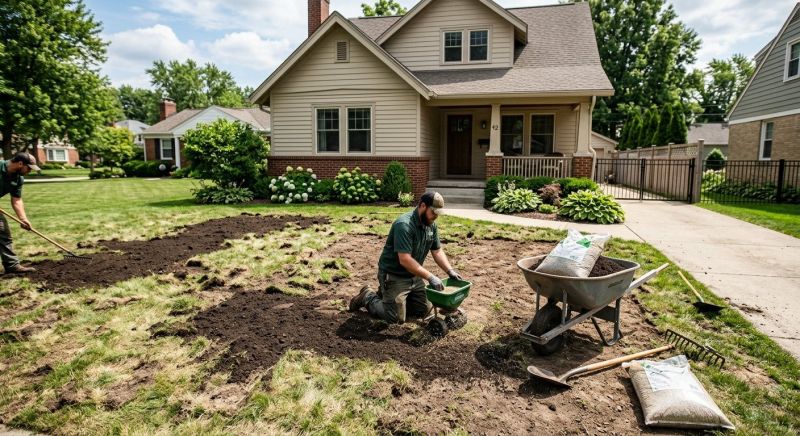
Grass Repair in Honolulu, HI
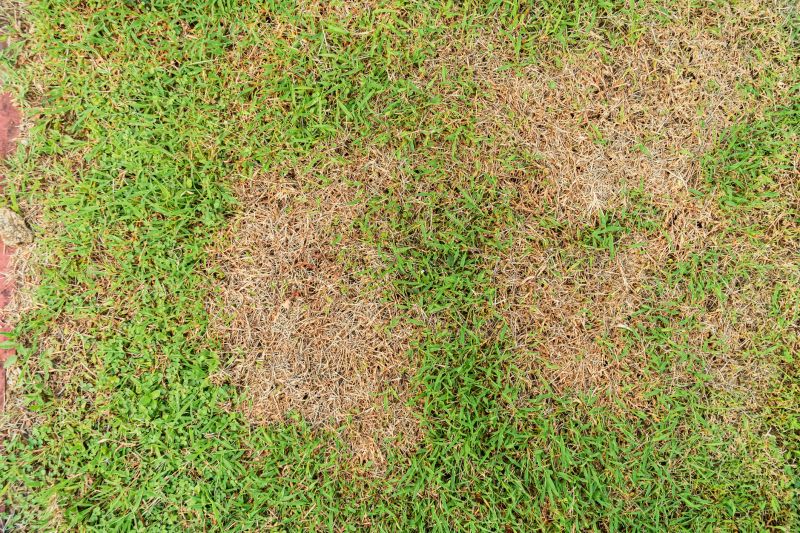
Grass repair services focus on restoring and improving lawns that have experienced damage or wear. This includes addressing issues such as bare patches, uneven growth, or thinning areas caused by foot traffic, pests, drought, or seasonal changes. Projects often involve reseeding, sodding, or overseeding to promote healthy, dense grass coverage. Property owners typically want to understand the best methods for their specific lawn type, the timing of repairs, and how to ensure long-lasting results that enhance the overall appearance of their yard.
Before requesting grass repair, homeowners should consider the extent of damage, the type of grass suitable for their climate, and any underlying issues that may affect growth, such as soil quality or drainage problems. It’s helpful to evaluate the current condition of the lawn and determine whether repair is needed for small areas or larger sections. Clear communication about project goals and expectations can help guide the appropriate repair techniques, ensuring the lawn’s health and aesthetic appeal are effectively restored.
Many property owners in Honolulu, HI look into Grass Repair for repairs, replacements, upgrades, and appearance-related improvements.
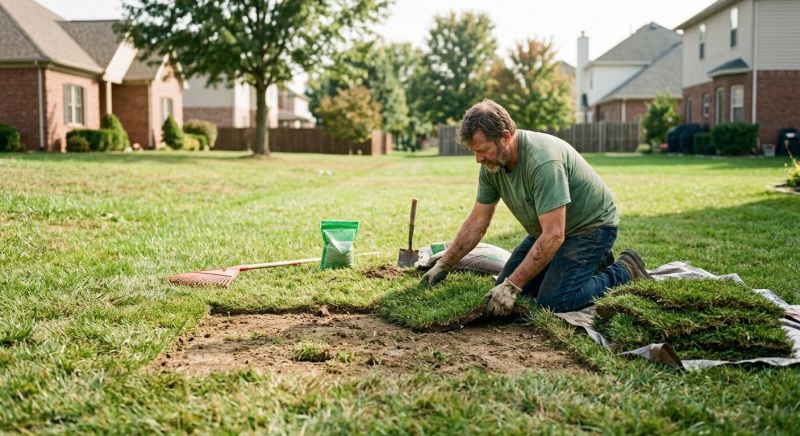
Lawn Damage Repair
Restores uneven or patchy grass to improve yard appearance.
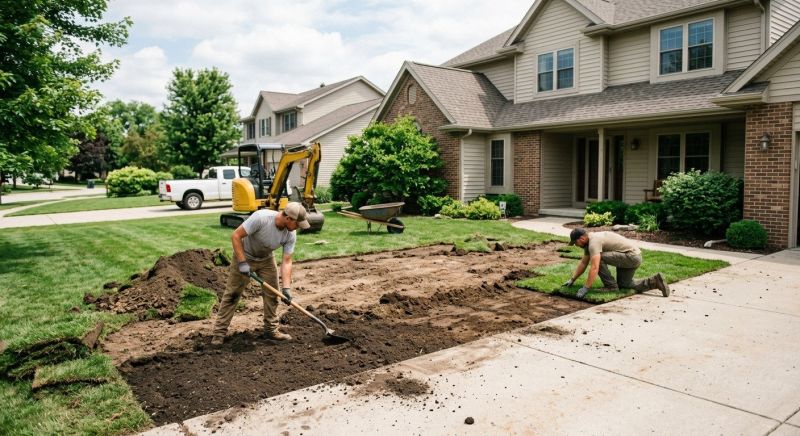
Overseeding And Patchwork
Adds new grass to fill in bare spots and enhance lawn density.
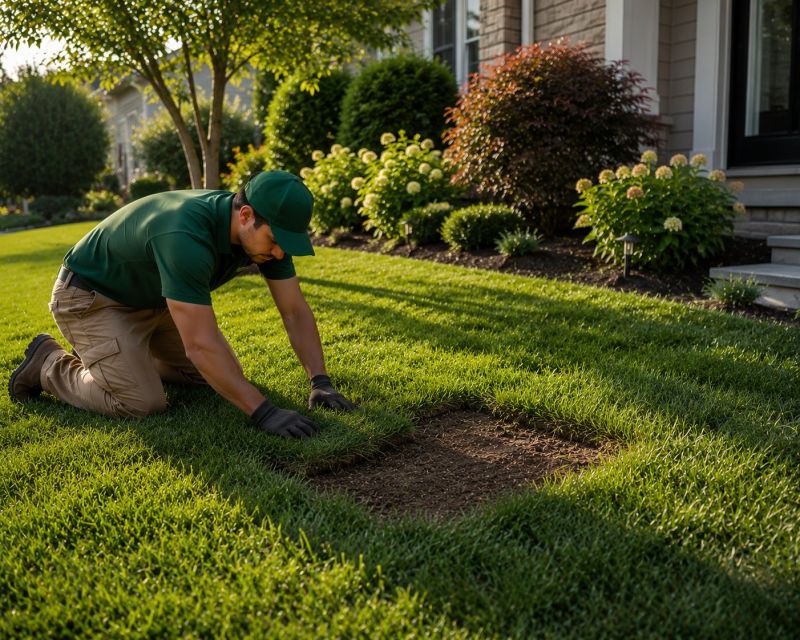
Soil And Drainage Solutions
Addresses drainage issues that cause grass to die or become patchy.
Grass Repair in Honolulu, HI

Grass repair services focus on restoring and improving lawns that have experienced damage or wear. This includes addressing issues such as bare patches, uneven growth, or thinning areas caused by foot traffic, pests, drought, or seasonal changes. Projects often involve reseeding, sodding, or overseeding to promote healthy, dense grass coverage. Property owners typically want to understand the best methods for their specific lawn type, the timing of repairs, and how to ensure long-lasting results that enhance the overall appearance of their yard.
Before requesting grass repair, homeowners should consider the extent of damage, the type of grass suitable for their climate, and any underlying issues that may affect growth, such as soil quality or drainage problems. It’s helpful to evaluate the current condition of the lawn and determine whether repair is needed for small areas or larger sections. Clear communication about project goals and expectations can help guide the appropriate repair techniques, ensuring the lawn’s health and aesthetic appeal are effectively restored.
Many property owners in Honolulu, HI look into Grass Repair for repairs, replacements, upgrades, and appearance-related improvements.
Common Grass Repair Jobs
Patch and Fill - small areas of damaged grass are repaired with fresh sod or seed.
Reseeding - thinning lawns are revitalized through overseeding to promote healthy growth.
Drainage Solutions - uneven or waterlogged areas are addressed to prevent future damage.
Soil Restoration - compacted or poor soil is improved to support lush grass development.
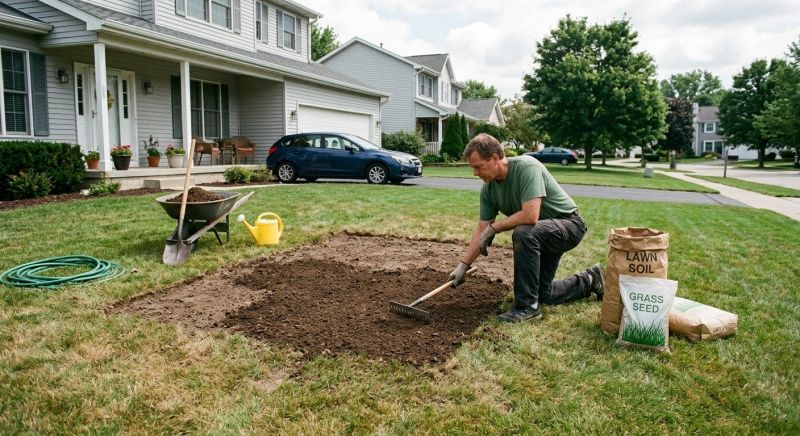
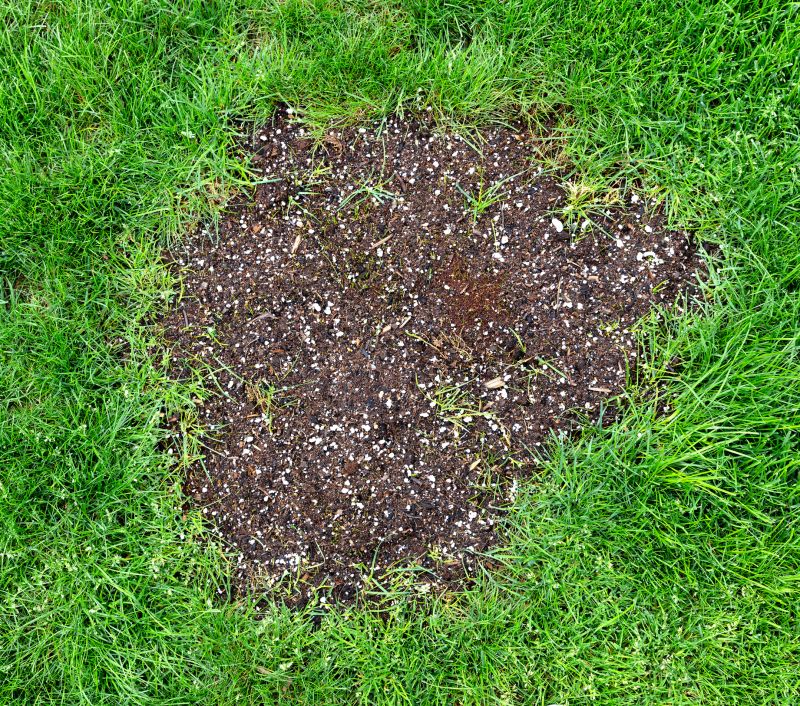
Patch Repair - bare or worn spots are restored with targeted grass planting.
Erosion Control - slopes and vulnerable areas are stabilized to prevent grass loss.
Grass Repair Questions
What causes grass to become damaged or patchy? Damage can result from foot traffic, pests, drought, or poor soil conditions, leading to uneven growth or bare spots.
What types of grass repair are available? Common options include reseeding, overseeding, patching, and soil aeration to improve grass health and appearance.
When is the best time for grass repair? The optimal time depends on the grass type, typically during the growing season when conditions support seed germination and growth.
What should property owners consider before grass repair? It's important to evaluate the extent of damage, soil quality, and sunlight exposure to determine the most effective repair method.
Request Grass Repair in Honolulu, HI
Use the quote form on this page to share the basics of your project and request more information for the type of work you need.