Compare Local Contractors for Water Feature Landscaping Projects
Compare local contractors for water feature landscaping to clarify scope, verify experience, and establish clear expectations for a successful project.
Water feature landscaping involves a variety of services aimed at creating attractive and functional water elements on residential or commercial properties. This typically includes designing and installing features such as ponds, fountains, waterfalls, streams, and decorative water gardens. Contractors may also handle the integration of these features with existing landscape elements, ensuring proper drainage, structural support, and water circulation systems. The scope of work can range from simple, standalone features to complex, multi-component water landscapes that require detailed planning and specialized construction techniques.
Clearly defining the scope of a water feature project is essential for setting expectations and ensuring that all parties are aligned on the work to be performed. Property owners should consider specifying the desired features, materials, size, and aesthetic goals early in discussions with contractors. Outlining the scope in writing helps prevent misunderstandings and provides a basis for evaluating proposals. It also assists in identifying any additional services or modifications that might be needed as the project progresses. A well-defined scope can contribute to smoother project execution and a final result that meets the property owner’s vision.
When comparing local contractors for water feature landscaping, property owners should evaluate their experience with similar projects and ask for examples of completed work. Verifying the contractor’s familiarity with the specific water features desired can provide confidence in their ability to deliver quality results. It’s also helpful to review their process for planning, designing, and executing the work, including how they handle unforeseen challenges. Comparing the scope of services offered, communication practices, and the level of detail in written proposals can help property owners identify the service providers best suited to meet their needs and expectations.
Compare local contractors by outlining your project priorities, verifying experience, and clearly defining expectations in writing.
- Compare Contractor Experience - Review the backgrounds of local contractors to ensure relevant experience in water feature landscaping.
- Define Project Scope Clearly - Specify the desired features and materials to establish clear expectations with service providers.
- Verify Credentials and References - Check credentials and request references to assess the quality of previous work.
- Document Agreements in Writing - Ensure all project details, responsibilities, and expectations are outlined in a written contract.
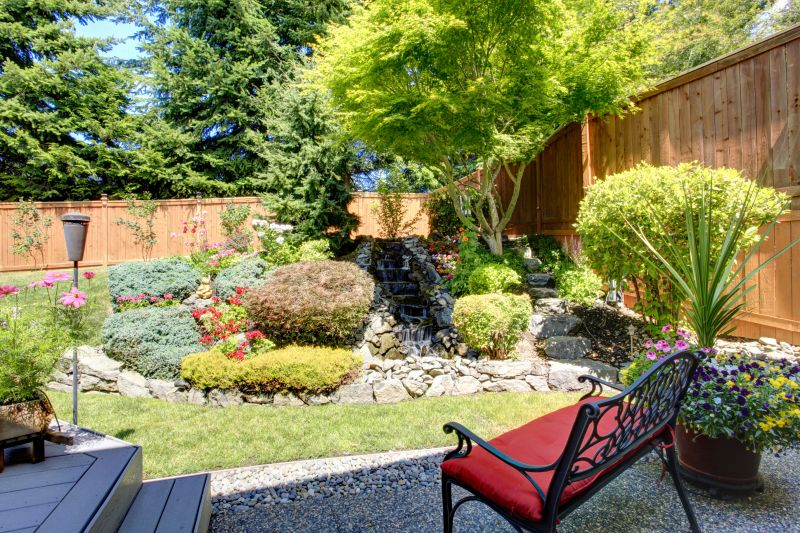
Clearly describe your water feature landscaping project to help compare local contractors, define scope, verify experience, and set expectations in writing.
- Verify experience with water feature landscaping projects similar in scope and complexity. - Ensure contractors have a clear understanding of the specific water feature design and functionality desired.
- Define the scope of work in writing, including materials, installation methods, and desired features. - Clarify expectations and responsibilities to prevent misunderstandings during the project.
- Check for references or reviews related to water feature landscaping to assess past work quality. - Gather insights on the reliability and craftsmanship of potential service providers.
- Discuss maintenance requirements and long-term care to ensure the water feature remains functional and attractive. - Confirm that service providers can address ongoing upkeep or provide recommendations.
- Compare the detailed scope, experience, and communication approach of multiple local contractors. - Use these comparisons to select the most suitable service provider for the project.
- Ensure all project details, including scope and expectations, are documented in a formal agreement. - Proper documentation helps protect both parties and sets clear project parameters.
Compare local contractors’ experience and clarify project scope to ensure successful water feature landscaping.
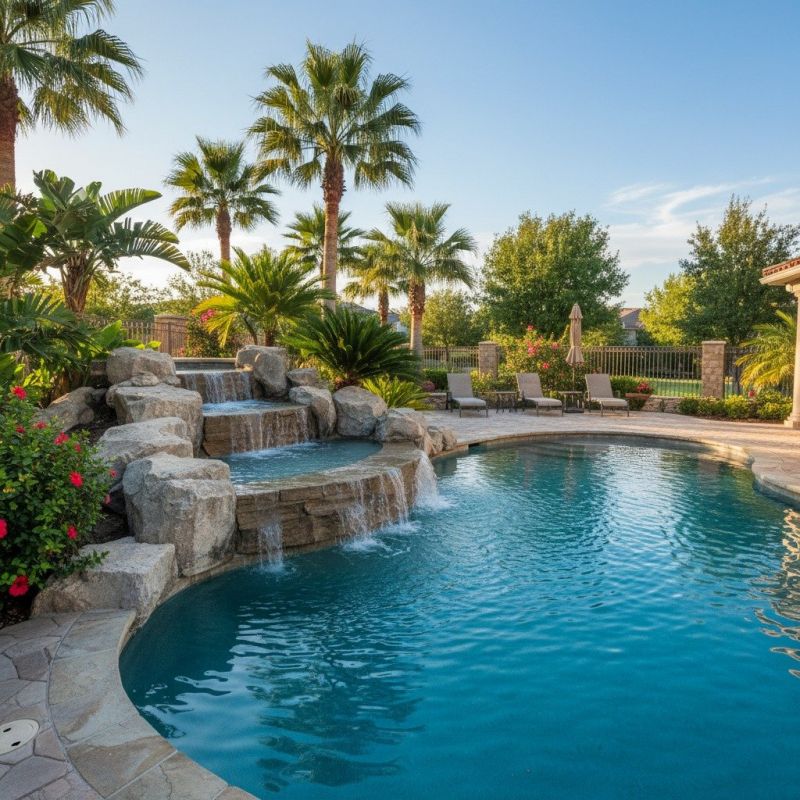
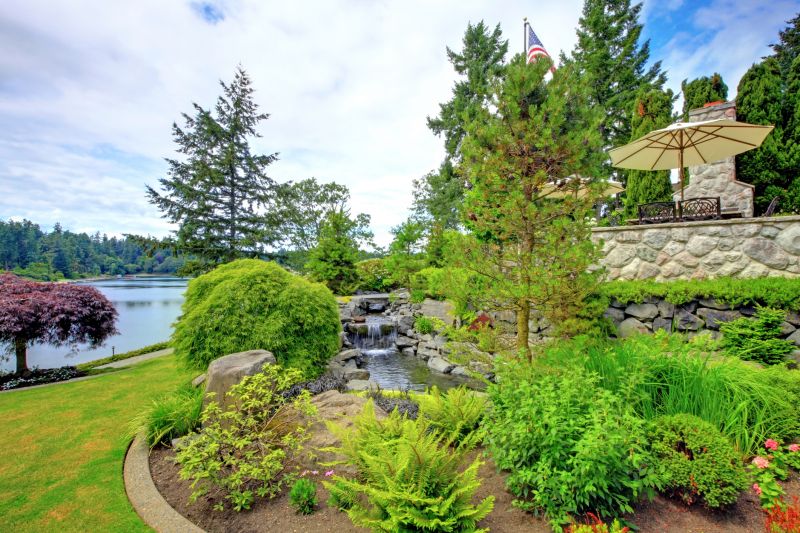
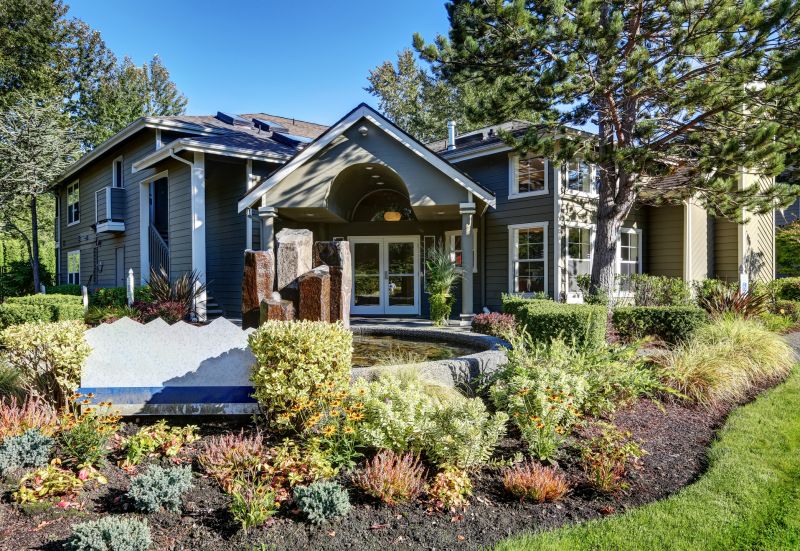
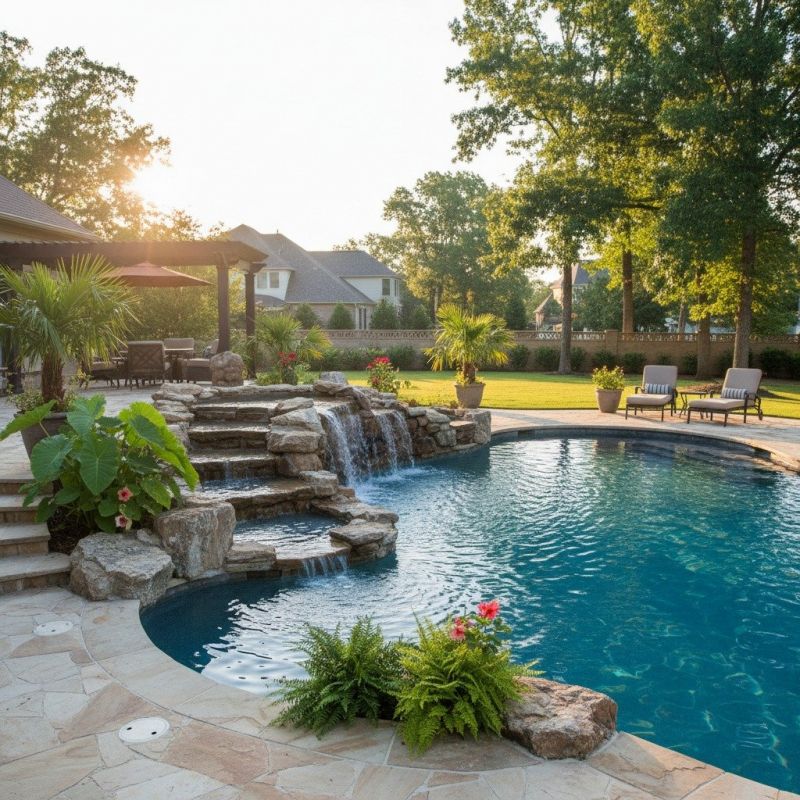
Learn how to compare local contractors, define project scope, verify experience, and set clear expectations in writing.
- Define project scope - clearly outline the specific water feature design, size, and materials to be included.
- Verify experience - assess the contractor’s previous work and expertise with water feature landscaping projects.
- Establish responsibilities - specify the roles and tasks each service provider will handle during the project.
- Set expectations in writing - document the agreed-upon scope, materials, and deliverables to prevent misunderstandings.
- Compare local contractors - evaluate multiple service providers based on their scope definitions and project approach.
When evaluating contractors for water feature landscaping, it is important to consider their experience with projects similar in scope and complexity. Homeowners should look for service providers who have a proven track record of designing and installing water features comparable to the desired outcome. Asking about past projects or requesting references can help gauge a contractor’s familiarity with the specific elements involved, such as pond construction, waterfall installation, or integrated lighting. Contractors with relevant experience are more likely to understand the nuances of site conditions and material choices, contributing to a smoother project process.
A clear, written scope of work is essential for establishing mutual understanding and setting expectations. Homeowners should seek service providers who can provide detailed descriptions of the work to be performed, including materials, design elements, and installation steps. This documentation helps prevent misunderstandings and ensures that both parties are aligned on project deliverables. A well-defined scope also serves as a reference point throughout the project, making it easier to address any questions or adjustments that may arise.
Verification basics involve confirming that the contractor’s qualifications and background align with the project’s requirements. While licensing and certification are not the focus here, homeowners can verify a contractor’s reputation through references, reviews, or prior work samples. It is also helpful to inquire about the contractor’s familiarity with local site conditions and their ability to handle the specific challenges of water feature installation. Gathering this information helps create confidence that the service provider has the appropriate experience and skills to complete the project successfully.
When comparing options, homeowners should focus on how well each contractor’s experience, scope of work, and verification details align with their project needs. It is beneficial to review written proposals carefully, noting the level of detail and clarity provided. Asking service providers about their approach to design, installation, and problem-solving can reveal their understanding of the project’s scope. By evaluating these factors, homeowners can make informed decisions based on the contractor’s expertise and professionalism, rather than solely on cost or availability.
Request written scope details to ensure clear expectations and consistent understanding among local contractors.
- Scope Clarification - What specific water feature elements and features are included in the project scope?
- Experience Verification - How much experience do the local contractors have with water feature landscaping projects of similar size and complexity?
- Design and Materials - Can the service providers provide examples of previous water features they have designed and installed?
- Project Expectations - How do contractors define the project scope in writing to ensure clear understanding of deliverables?
- Comparison Factors - What criteria should be used to compare different local contractors beyond their proposals?
How can I compare contractors for water feature landscaping? Reviewing credentials, examining portfolios, and checking references can help compare local contractors and assess their experience with water feature projects.
What should I consider when defining the scope of a water feature project? Clearly outlining the desired design, size, materials, and functionality helps ensure contractors understand the project requirements and deliver expectations.
How do I verify a contractor's experience with water features? Asking about past projects, requesting references, and reviewing completed work can provide insight into a contractor’s expertise in water feature landscaping.
Why is it important to have a written agreement with a contractor? A detailed written contract helps set clear expectations, defines the scope of work, and minimizes misunderstandings during the project.
What questions should I ask contractors during the selection process? Inquire about their experience with similar projects, their approach to water feature installation, and how they handle project challenges to gauge their suitability.
How can I ensure the contractor understands my vision for the water feature? Providing detailed descriptions, sketches, or reference images helps communicate your ideas and ensures alignment before work begins.
By understanding how to compare local contractors, define the scope of your water feature landscaping project, verify experience, and set clear expectations in writing, you can make more informed decisions. This approach helps ensure that the service providers you consider are well-suited to meet your specific needs and preferences. Utilizing the quote form allows you to gather information on multiple options, making it easier to evaluate which local contractors are best aligned with your project goals.
Taking the time to explore and compare available service providers can lead to a smoother planning process and more confident choices. Use the quote form to connect with local contractors who specialize in water feature landscaping, and gain the insight needed to make decisions that match your vision. This step can help you find the right professionals to handle your project with clarity and transparency.